


Between work, school, dinner, and extracurriculars, adding “therapy homework” to the mix can feel nearly impossible. It is completely normal to think, There is no way we can fit one more thing on our plate, or I’m a parent, not an expert—how am I supposed to do this right?
I get it. I’ve sat in those exact shoes—overwhelmed by the clock and doubting my own ability to help my child succeed.
Here is the secret I learned along the way: Yes, you can do this—and no, it doesn’t take hours a day.
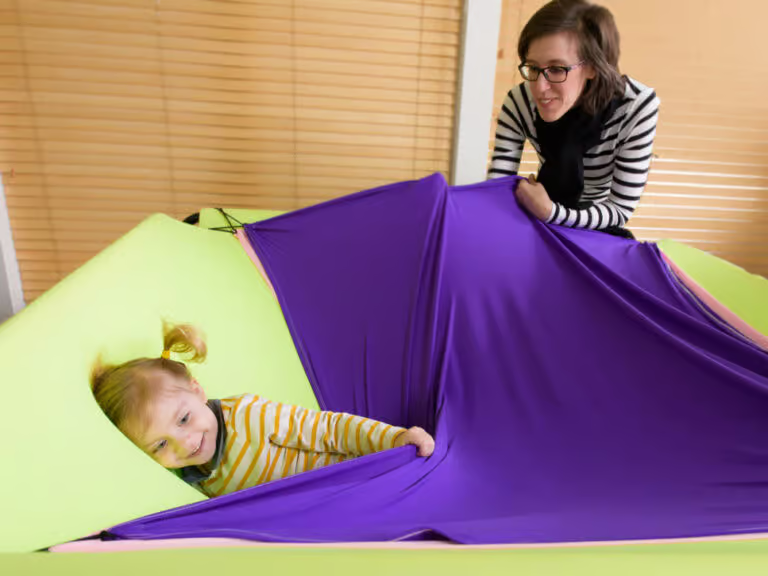
Navigating therapy with my own two children—including intensive PT with my son, Forrest—showed me that home practice doesn’t require turning your living room into a clinical classroom. It’s all about finding small, natural pockets of time throughout your day where therapy seamlessly blends into everyday play. When you ditch the pressure of “perfection,” incredible progress happens.
Throughout our day, I seized every brief window I could find: before breakfast, during feedings, throughout playtime, before car rides, during dressing and bathtime, before dinner, and right at bedtime. These moments varied from 10-minute stretches down to quick 3-to-5-minute bursts. But to truly make the most of them, I first had to make a few key mindset shifts.
How Small Shifts Create Big Breakthroughs
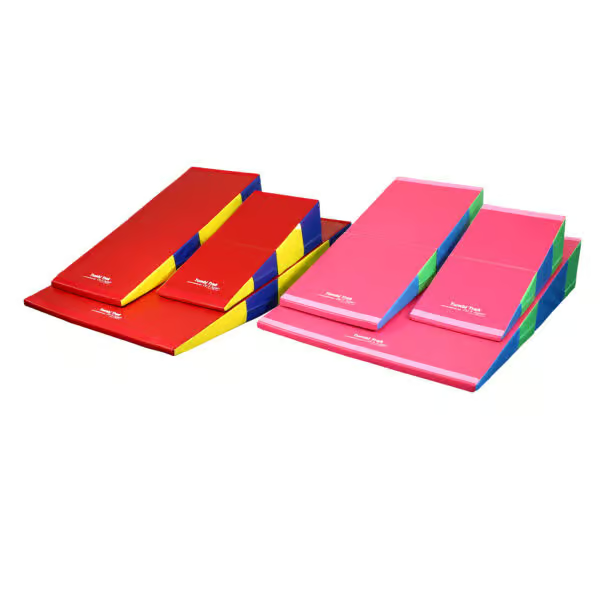
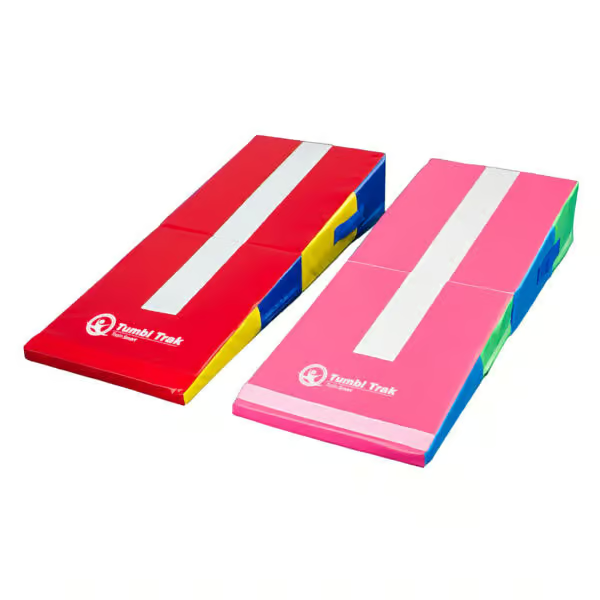
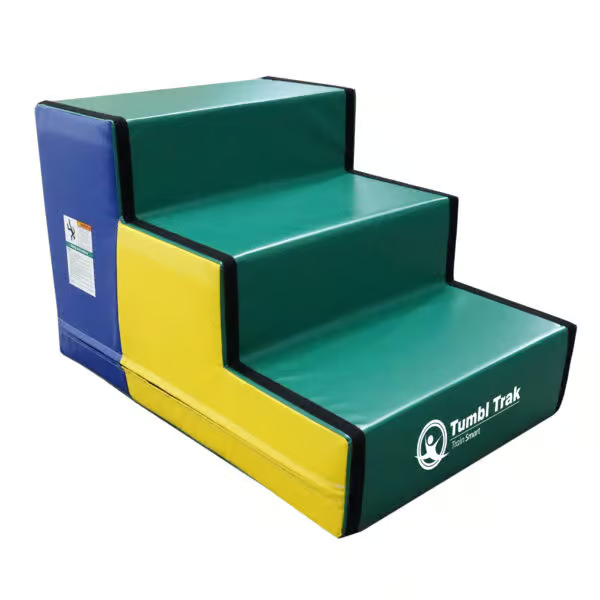
- Trade picture-perfect for play-focused: We skipped the curated, Pinterest-worthy playroom and embraced fun movement instead. Playing on foam steps and inclines naturally encouraged Forrest to look up, laying the foundation for pushing up, crawling, standing, and walking.
- Build real-world confidence: Exploring different textures, heights, and surfaces gave Forrest the sensory experience he needed to feel stable on his feet. Before long, he wasn’t just walking—he was jumping, climbing, and navigating the world with complete independence.
- Focus on function, not hours: Practicing for five minutes while waiting for dinner or during commercial breaks keeps therapy lightweight, low-stress, and deeply effective for natural development.
The Activities We Fit into Our Pockets of Time
Once I adapted these small mindset shifts, here is how our practice actually looked, sorted by how much time we had.
2–3 Minutes: Quick Micro-Bursts
- 6–12 months (toe-to-mouth and bicycle legs): During diaper changes, I gently guided Forrest’s feet up toward his hands or moved his legs in a smooth cycling motion to build core strength and lower-body mobility.
- 2–3 years (supported squat and pick up): Before bedtime or after playtime, Forrest stood on an incline to help me pick up his toys. The supported squat helped build his core strength and balance.
- 4–5 years (single-leg balance challenge): While brushing teeth or waiting by the front door, I challenged him to stand on one foot or balance a small soft toy on the top of his head.
5 Minutes: Short Focused Transitions
- 6–12 months (elevated tummy time): Forrest did tummy time on a folded incline to strengthen his neck, eventually practicing pushing up through his arms and activating his trunk muscles while reaching for toys.
- 1–2 years (mountain crawl): Forrest practiced and learned to crawl by playing on his knees on an incline mat.
- 3–5 years (little jumps): We transitioned from the living room to the kitchen table using fun movement patterns, which included learning to jump safely off an incline.
7 Minutes: Playful Skill-Building
- 6–12 months (tall-kneeling): Forrest played on his knees while resting his arms on a folded-up incline or step to interact with suction toys, strengthening his hips and core.
- 1–2 years (step-stepping): After playing on our Tumbl Trak steps, we practiced stepping up and down with alternating feet while holding one hand for light balance support.
- 3–5 years (tape balance beam): I stuck painter’s tape across the floor so Forrest could practice heel-to-toe walking, side-stepping, or stepping backward along the line while we cleaned up.
10 Minutes: Guided Movement Routines
- 6–12 months (supported sitting): With a folded incline placed behind him for safety, Forrest sat on a foam roller while we played, strengthening his core and working on upright sitting balance.
- 1–2 years (mini obstacle course): I arranged a pathway with a small pillow to step over, a tunnel or table to crawl under, and a target to throw a soft ball into.
- 3–5 years (stepping-stone lava jump): I scattered balance stepping stones across the floor, and we played a game of “The Floor is Lava.”
Your home doesn’t need to be a clinic, and you don’t need a specialized degree to make a massive impact. Always follow guided instructions from your child’s therapist, but remember that you are already your child’s favorite person and best teacher. Take a deep breath: you’ve got this, and every little moment counts.