



As much as I loved teaching and working with children, I know I’m not the only educator who felt a small wave of dread when indoor recess was announced. The CDC recommends that school-age children get at least 60 minutes of physical activity every day. That’s hard enough to reach on a good day. Add bad weather and a room full of energetic kids, and things can feel chaotic fast.
I certainly don’t have all the answers, but my 13 years in the classroom, combined with raising two high-energy kids of my own, taught me a few reliable strategies. The key to a good indoor recess isn’t a total room overhaul. It’s small, structured bursts of purposeful movement. Set up two- or three-minute mini-challenges with a few versatile movement tools, and you can channel that restless energy into focused play.
What you need
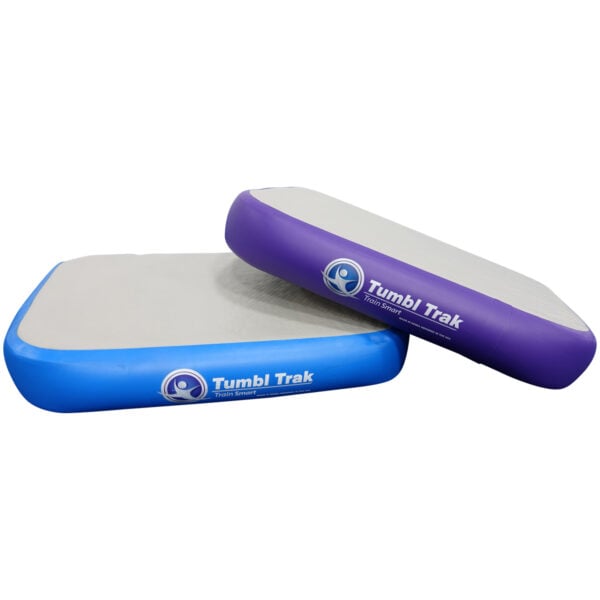
- 1 Hot Block
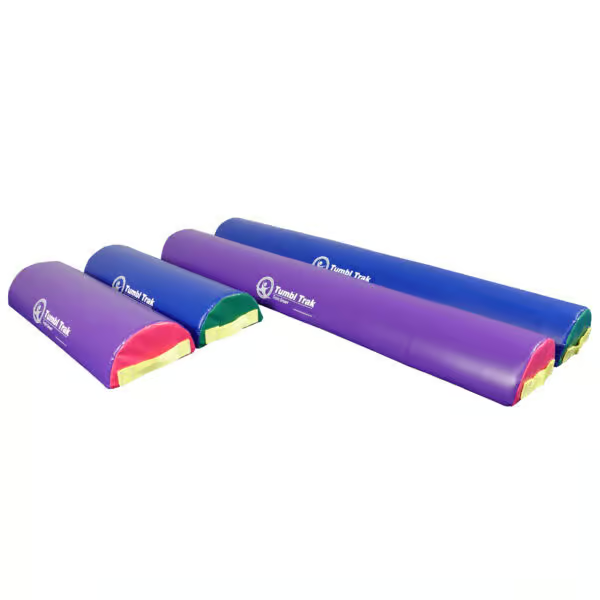
- 1 or 2 Half Rounds
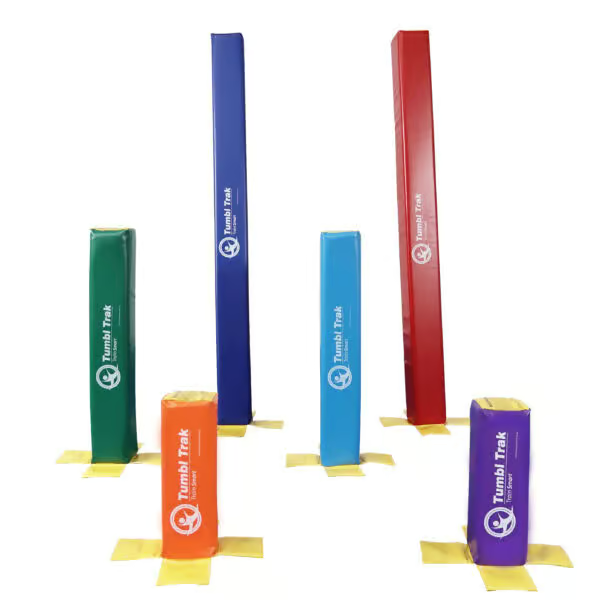
- Fun Sticks (sold as a 6-pack; you’ll use one or two)
All three have Velcro bases that grip closed-loop carpet, the kind found in many classrooms, so they stay where you put them. That’s what makes a two-minute reset between rounds possible.
Three sample movement stations
- Balance. Press one or two Half Rounds onto the carpet to make a low balance beam. Have students walk it slowly, then quickly, then forward and backward, then on one foot. When that’s easy, let them hop on and over it.
- Jumping. Press the Hot Block onto the carpet so its Velcro base holds it in place, and keep clear space around it. Have students do ten two-footed jumps onto the Hot Block, then step-offs, then single-leg hops. Simple bouncing in place on the Hot Block works too. Keep an adult close at this station.
- Coordination. Press a Fun Stick or two onto the carpet and have students jump over them forward, backward, and side to side. Spacing two sticks a little apart adds a second hurdle.
Rotate students through the stations on a timer. Two or three minutes at each is enough for the energy to move without the room tipping over into chaos.
Structure is the whole trick
Indoor recess doesn’t have to feel like damage control. A few intentionally designed stations give students the movement they’re looking for while you keep hold of the room. A little upfront structure turns a potentially chaotic thirty minutes into a chance to move, settle, and reset, leaving you and your students ready for the rest of the day.