
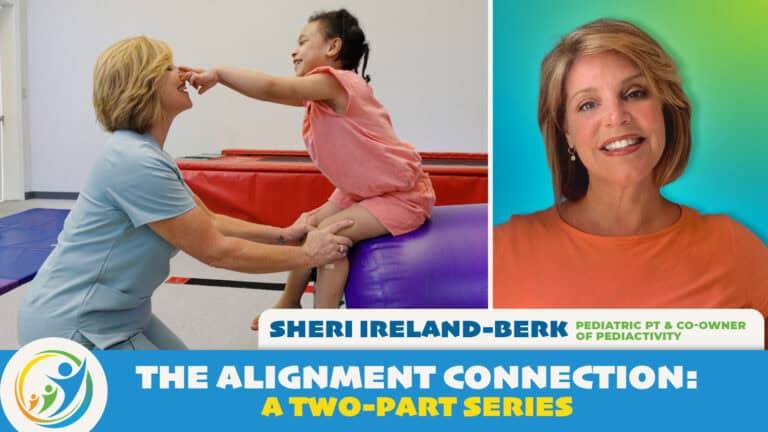
Let’s Talk About Toe Walking
Pediatric physical therapist Sheri Ireland-Berk shares how she approaches toe walking in her clinic, looking past the feet to the whole movement system, with dozens of video examples of the activities she uses with early and established toe walkers.

What this webinar covered
In this recorded session, pediatric physical therapist Sheri Ireland-Berk, PT, walks through how she approaches toe walking in her clinic, with video clips from her own sessions.
Why Sheri looks past the feet
Toe walking means walking on the balls of the feet without the heel touching down. When no single cause is found, it is often called idiopathic toe walking. Sheri’s central point is that toe walking is “not a foot problem.” The feet are where it shows up, but she approaches it as a whole-body movement pattern, so her sessions work on trunk rotation, core, hips, vision, and balance as much as on the feet and ankles.
She describes patterns she often notices in the histories of children referred to her clinic, including prematurity, limited tummy time, long stretches in infant seats and other “containers,” digestive concerns, and oral tissue restrictions such as tongue tie. To work out what is behind a particular child’s toe walking, she draws on a framework from Liesa Ritchie-Persaud’s toe walking course that sorts contributing factors into three groups: musculoskeletal, neuromotor, and sensory. Of the three, the sensory group is the one she has seen grow most over her career.
Sheri also shares the markers she watches for in new walkers: a heel strike that starts to appear within about six months of independent walking and becomes consistent once a child has been walking for about two years. When toe walking continues past that point, she encourages families and clinicians to look into why rather than wait.
How casting, bracing, and movement fit together
Sheri outlines the range of interventions families may hear about, from surgery and Botox to serial casting, bracing, electrical stimulation, and kinesiology taping. Her own practice centers on dynamic serial casting, which she learned from Maria Teresa Ferrer. Before each cast, she positions the small bones and joints of the foot by hand so the child moves on a well-aligned foot while the cast is on. She pairs casting with bracing, and both with movement work, and she encourages families to bring in an occupational therapist or other specialists to address what is driving the toe walking.
Two ideas run through the session. First, telling a child to get down on their heels rarely lasts more than a few minutes, so her sessions focus on the strength, balance, and body awareness behind standing and walking. Second, when parents ask how physical and occupational therapy differ, her answer is that the PT works through the sensory challenges, while the OT works on them.
Early toe walkers
For babies and toddlers who are just starting to stand and walk, Sheri focuses on getting children upright and moving against gravity. Examples from the session:
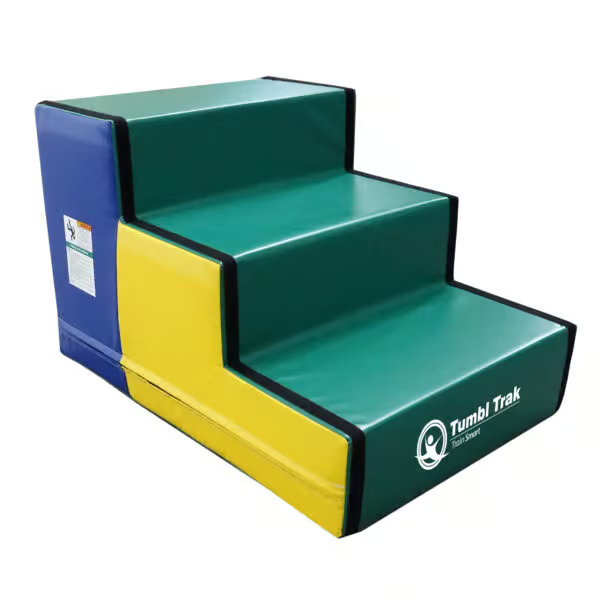
- Crawling and climbing on the Tumbl Trak Steps, which puts more weight through the hands and asks the child to lift their head
- Standing play at a vertical surface between shoulder and eye level, which she prefers to push toys because it brings the child’s weight back over the heels
- Standing on a partly deflated Hot Spot for a softer, more demanding surface
- Numbers placed on each stair step, so the child looks up and scans from side to side instead of watching their feet
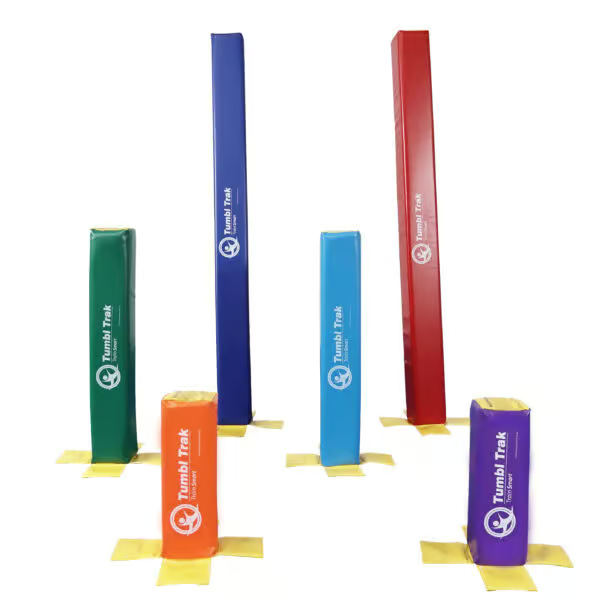
- Side sitting and reaching to work on trunk rotation, including on two Half Rounds joined into a firm bolster, with Fun Sticks as targets
- Rocking side to side on a roller that moves in only one direction, so the child has to find their middle and engage their core
- Squatting to pull a Half Round off the floor, with grunting and noise encouraged, an idea she credits to Mary Massery’s work on breathing and core pressure
- Walking across the bed of the Tumbl Trak for joint and muscle feedback
Established toe walkers
Many children reach Sheri at four or older. She walks through posture patterns she often sees at that age, such as tight hip flexors, knees that lock back, a forward chin, and difficulty standing still. Her benchmark is simple: can the child stand up from sitting in one try, and lower back down with control? Several clips follow one 10-year-old practicing this from a yoga wedge that raises the floor to meet his heels, which also became his home exercise.
Activities in this part of the session include:
- Sliders along a straight tape line with feet kept parallel, then on surfaces with more grip such as the Hopscotch Mat, then on the Tumbl Trak, and sideways to work the hips
- Standing on an incline facing downhill, which she uses for children whose toe walking has a sensory or neurological driver, and facing uphill for a child with an orthopedic cause
- Squatting to stop a weighted ball rolled between the feet, pairing a deep squat with visual tracking
- The Laser Balance Beam on the floor, then raised, then set on Hot Spots and Hot Blocks so it rocks slightly, with foot taps to targets on each side
- Obstacle courses of Half Rounds on the floor and on the Tumbl Trak, and stepping up and down to numbers she calls out
- Play on the belly with head and arms lifted, reaching for rings and letters
- Picking up small objects with the toes while standing on a balance trainer
- Walking backward, which she suggests families practice at home by having a child pull a laundry basket across the floor
- Walking, climbing, and squatting in swim fins, which keep the heels down
- Repeated jumping on and between Hot Blocks to practice softer landings
- A hamstring stretch with a Half Round steadying the pelvis
Along the way she also mentions tools from outside the equipment catalog, including kinesiology tape, shoe wedges made by her orthotist, and a two-player zoom ball.
Where her approach comes from
Sheri closes by crediting the clinicians whose courses shaped her work, including Liesa Ritchie-Persaud on toe walking, Maria Teresa Ferrer on serial casting, Elaine Owen on gait and bracing, and Mary Massery on breathing.
Who this is for
Pediatric physical therapists, occupational therapists, and other clinicians who work with children who toe walk, from new walkers to school-age children. Parents are welcome to watch as well. Parts of the session are clinical, and questions about your own child are best taken to their therapist or pediatrician.

About Sheri Ireland-Berk, PT
Sheri earned her physical therapy degree from Ithaca College and has been a pediatric physical therapist for more than 35 years. She has certifications and extensive training and experience with dynamic serial casting, NDT, intensive therapy, pelvic health and pelvic floor therapy, gait analysis and training, orthotic management, aquatic therapy, brachial plexus and CMT, and infant massage and bodywork. Sheri is extremely passionate about empowering children of all ages and abilities.
Equipment demonstrated in this webinar
10%
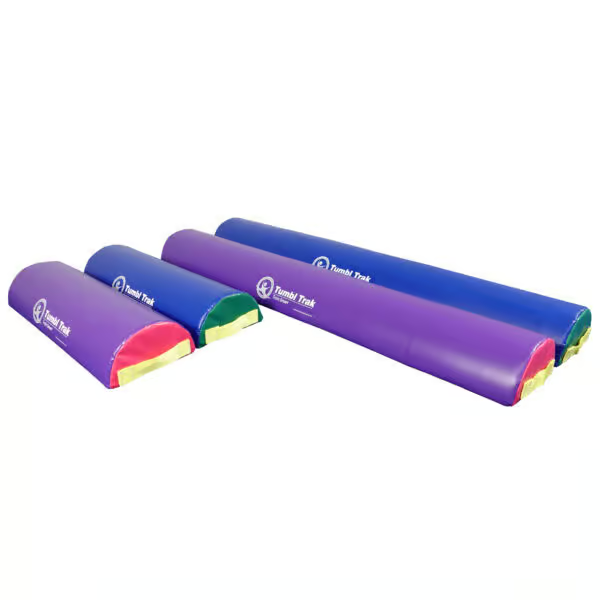
Half Round
10%
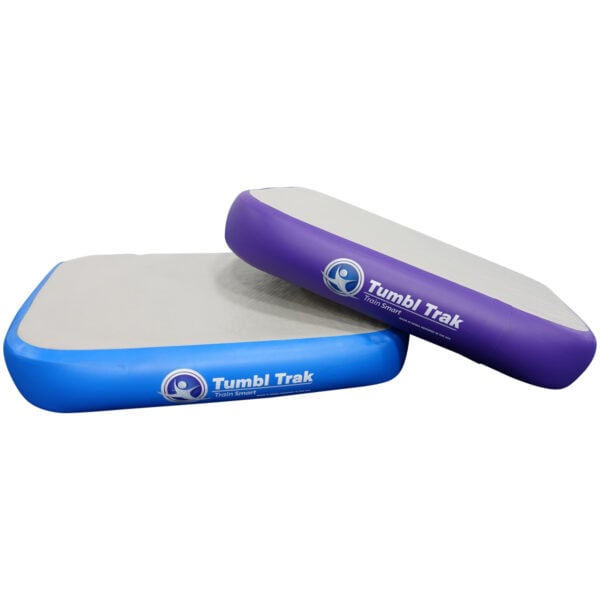
Hot Block

10%
Hot Spot

10%
Laser Balance Beam™

5%
Tumbl Trak®

10%
Hopscotch Mat

10%
Fun Stick (6-Pack)

10%