Ways to Play: Designing Sensory Integration Based OT Sessions
Pediatric occupational therapist Robin Hellmann shares the repeatable treatment sequence she uses to prepare a child’s body and brain for functional tasks: deep pressure, heavy work, prone extension, and supine flexion. A practical session for OTs and related practitioners who work with children with sensory processing and motor challenges in clinics, schools, homes, and sensory gyms.

Occupational Therapist & Owner, Spark Pediatric OT
What this webinar covered
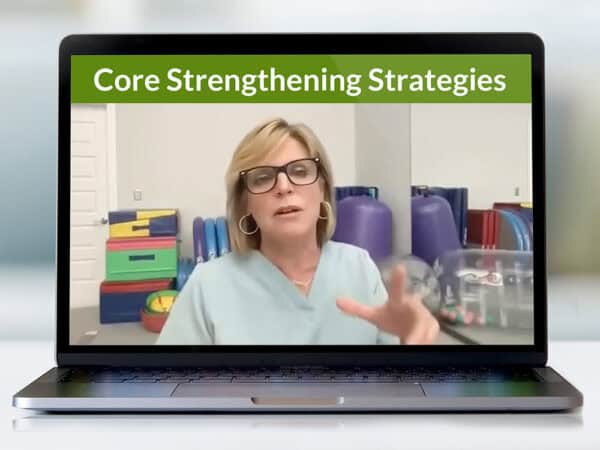
In this recorded session, pediatric occupational therapist Robin Hellmann, MA, OTR/L, walks through the treatment sequence she uses to prepare a child’s body and brain before moving into functional tasks: deep pressure, heavy work, prone extension, and supine flexion.
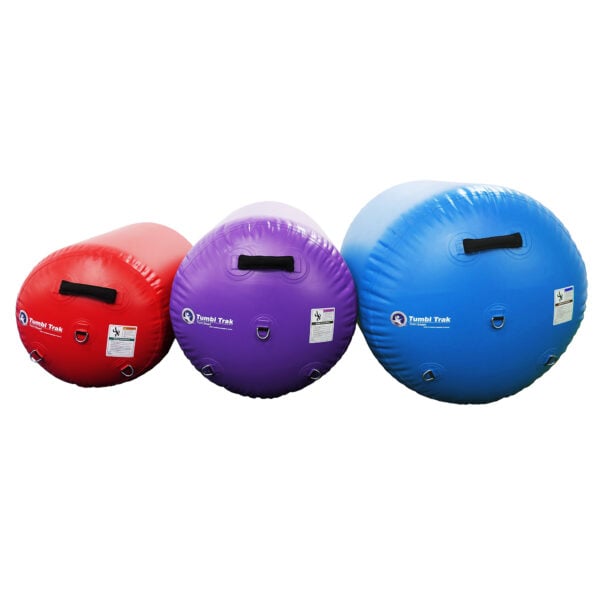
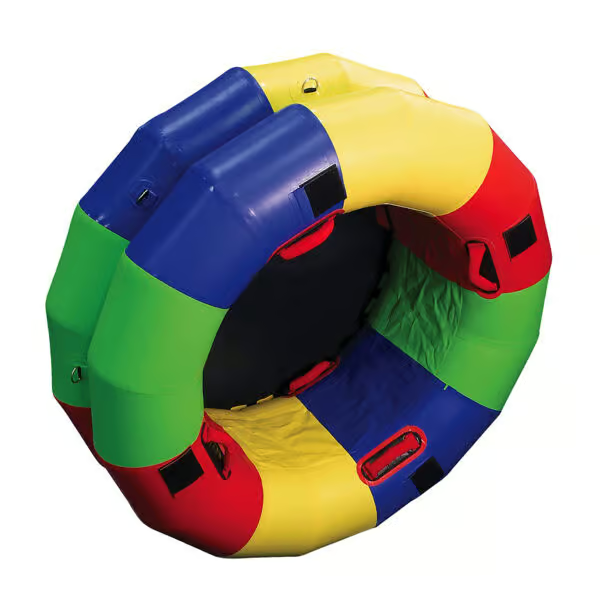
Robin explains the clinical reasoning behind each phase and how she adapts the sequence for different children and session goals. Her demonstrations show how a single piece of equipment can serve several purposes. The Fitness Wheel, for example, becomes a surface for prone extension, a container for heavy work, a balance challenge, and a fine motor station. She also demonstrates activities on the Air Barrel and Power Launch, though her approach applies to whatever equipment a clinic, school, or home already has.
The session closes with audience Q&A. It’s intended for pediatric OTs and related practitioners, and it works well as a staff training session.
What you’ll learn
You’ll learn a repeatable treatment sequence that Robin uses to prepare the body and brain before moving into functional tasks: deep pressure, heavy work, prone extension, and supine flexion. She walks through the clinical reasoning behind each phase, shows how she adapts the sequence across different children and session goals, and demonstrates creative variations that turn familiar pieces of equipment into entirely different therapeutic challenges.
Her demonstrations use the Fitness Wheel, Air Barrel, Power Launch, and other Grow Through Movement equipment, but the method and reasoning apply regardless of what’s in your space.
After watching, you’ll have a structured approach to session design that supports regulation, postural control, and readiness for participation, adaptable across a range of children and session goals. You’ll also have concrete ways to use one piece of equipment across multiple therapeutic goals: heavy work, prone extension, balance, fine motor, and more.
Who this is for
This webinar is for pediatric occupational therapists and related practitioners who work with children with sensory processing and motor challenges, whether in a clinic, school, home, or sensory gym.
What to expect
Robin walks through her approach to structuring a sensory integrative treatment session from start to finish, demonstrating activities on the Fitness Wheel, Air Barrel, and Power Launch. You’ll see how she uses the same equipment in multiple ways. A single Fitness Wheel becomes a surface for prone extension, a container for heavy work, a balance challenge, and even a fine motor station. And you’ll see how she sequences those activities to prepare a child’s body and brain for functional tasks. The session closes with audience Q&A; Robin has been solving these problems for twenty years.
Watching as a team? The recording makes a ready-made staff training session.
About Robin Hellmann
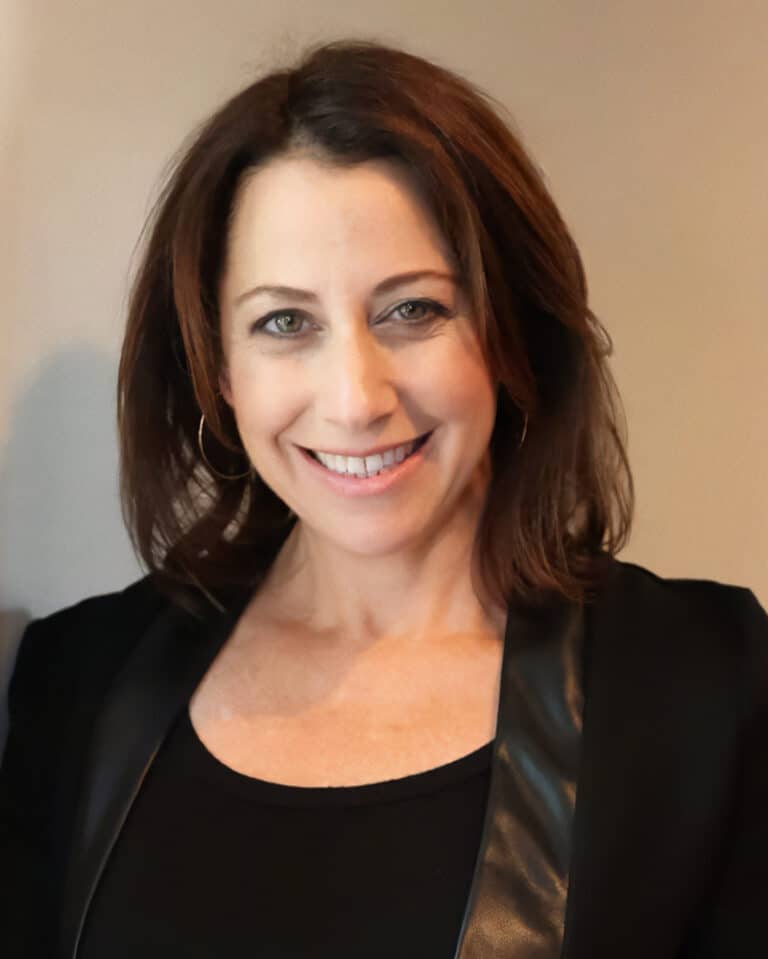
Robin Hellmann, MA, OTR/L, has been practicing pediatric occupational therapy for over twenty years. She holds a Master’s degree from NYU and advanced training in sensory processing, neuromotor development, and reflex integration. Robin is the owner of Spark Pediatric OT in Westport, Connecticut, where she works with children with sensory processing and motor challenges.
Her treatment approach emphasizes play-based, child-directed sessions, built on a structured foundation that prepares each child’s body and brain for participation. For the child, a well-designed SI session should feel like play. For the therapist, it should feel like a system that works.